Why Is Quality Control Important in Plastic Recycling?
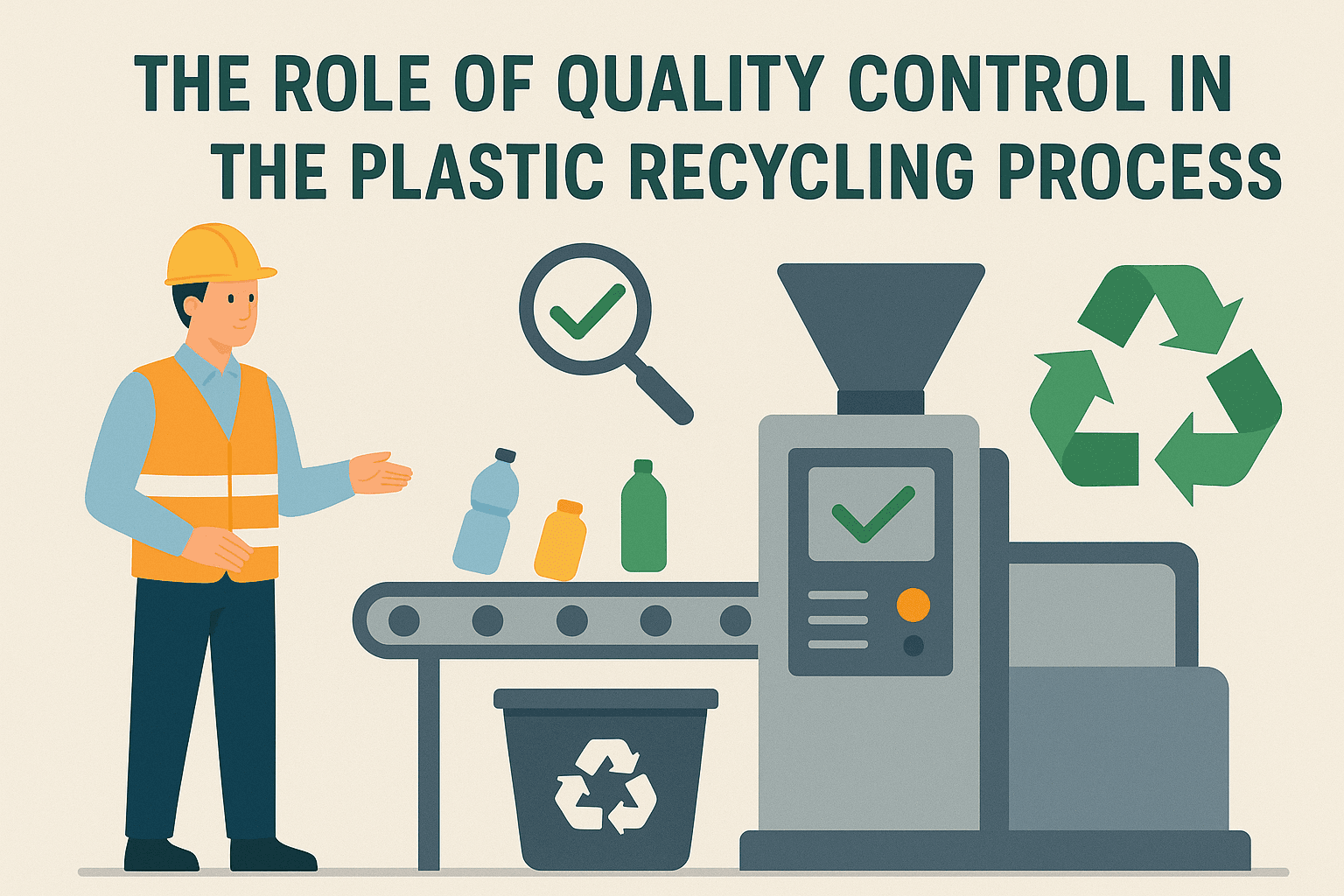
Recycled plastics are widely used in industries such as automotive, packaging, construction, and textiles. Without adequate quality control, issues such as durability and safety risks can arise. Quality control guarantees that manufacturers can confidently bring their products to market while maintaining customer satisfaction.
Main Testing Methods Used in Quality Control
- MFI (Melt Flow Index) Test: Measures the flowability of plastics to determine their usability in production.
- Density Measurement: Essential for identifying the homogeneity and type of material.
- DSC and TGA Tests: Analyze the thermal properties and degradation behavior of materials.
- Moisture Analysis: Critical in plastic granules, as moisture content directly affects production quality.
- Ash Content Test: Determines the filler content to analyze material composition.
- FTIR Spectroscopy: Used to verify the type of plastic and detect additives.
Challenges in Plastic Recycling
Recycled plastics often come from different sources, leading to variations in quality. Factors such as coloring, additives, and usage history can also affect performance. Therefore, quality control testing is essential to ensure consistent results in reuse applications.
Reliable Solutions with Alarge
Alarge provides the necessary quality control devices for the plastic recycling industry, enabling manufacturers to achieve reliable and standards-compliant production. From laboratory-type to industrial-scale testing equipment, Alarge supports both efficiency and customer confidence.